
Climate change is intensifying the frequency and severity of extreme weather events — including floods, extreme heat, and storms.
Vulnerable communities in the Global South — including those in conflict zones, small island developing states, and rapidly growing cities — still lack the timely, trusted early warnings and forecasts they need to protect themselves, as well as the institutions to sustain them.
The Problem
Weather forecasts exist, but they rarely reach vulnerable communities in the Global South — including those in informal settlements, conflict zones, or places without reliable internet access — in ways that are clear, trusted, or actionable enough to prompt early action when extreme weather threatens.
DARAJA’s Approach
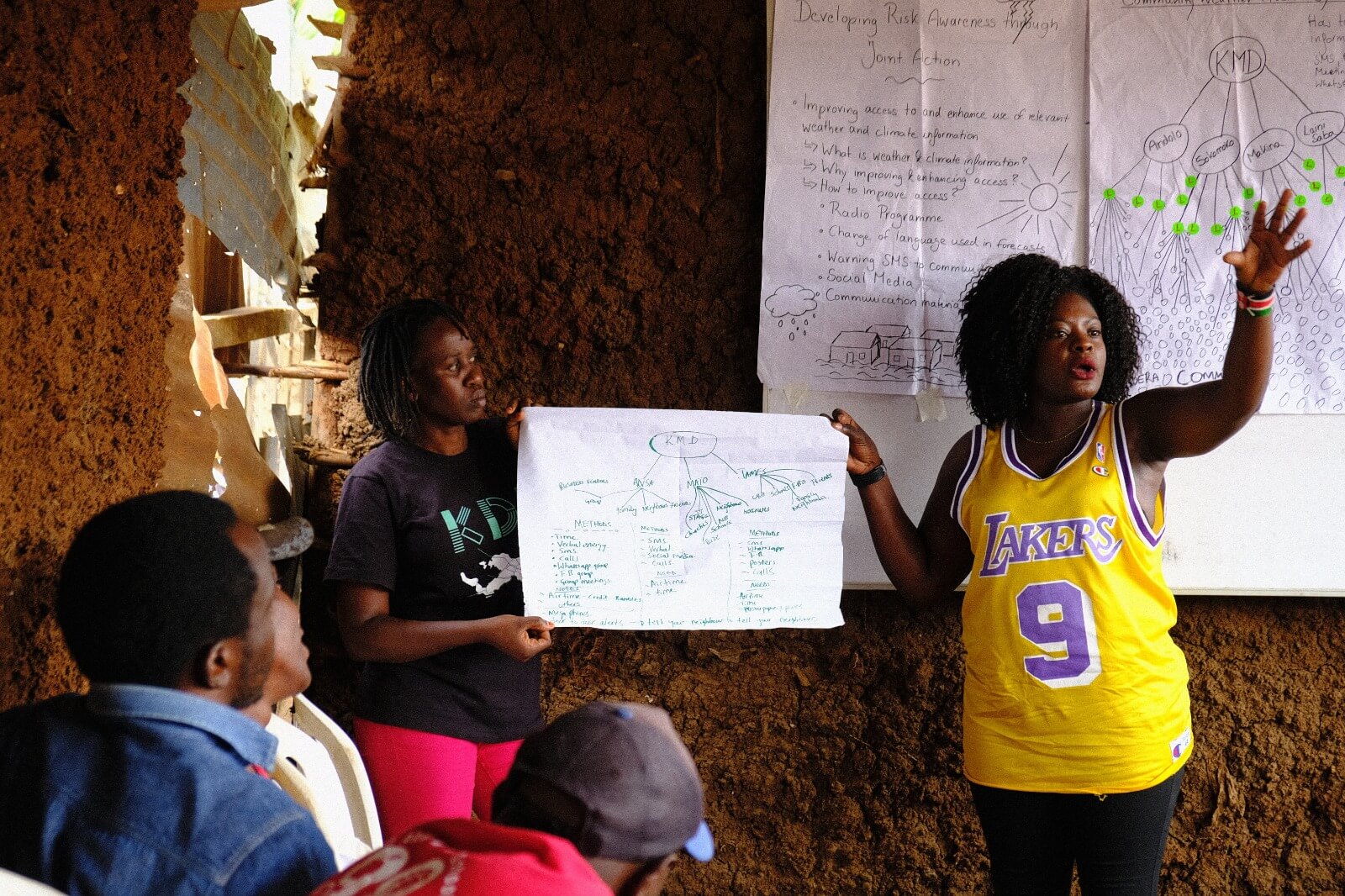
DARAJA connects meteorological agencies, local authorities, media networks, and community organisations to co-design inclusive climate information services. Using advanced data analysis, responsible AI, and proven community communication tools, DARAJA transforms complex weather forecasts into clear, trusted early warnings delivered through local channels before floods, extreme heat, or storms strike.

1
The Problem
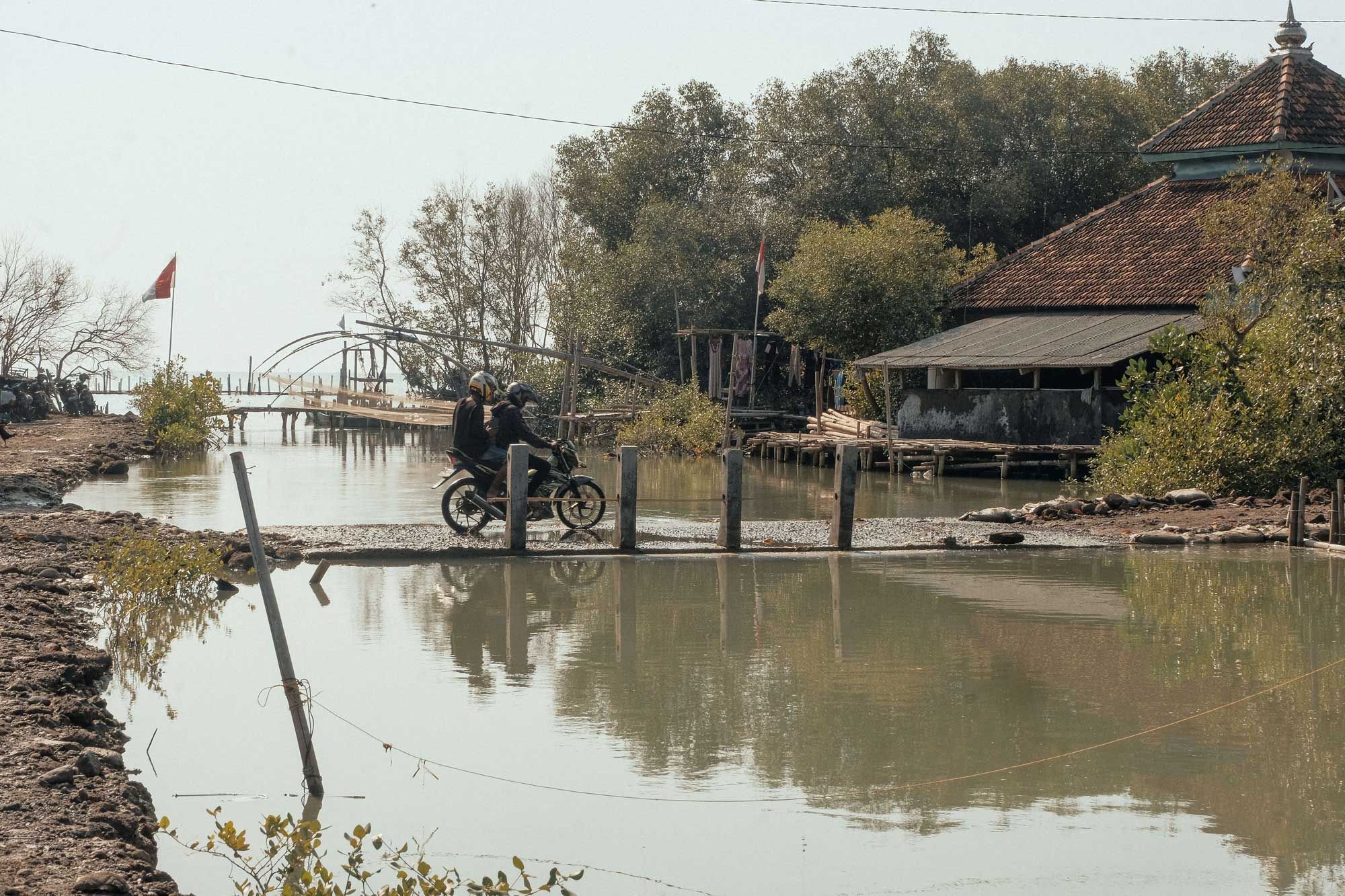
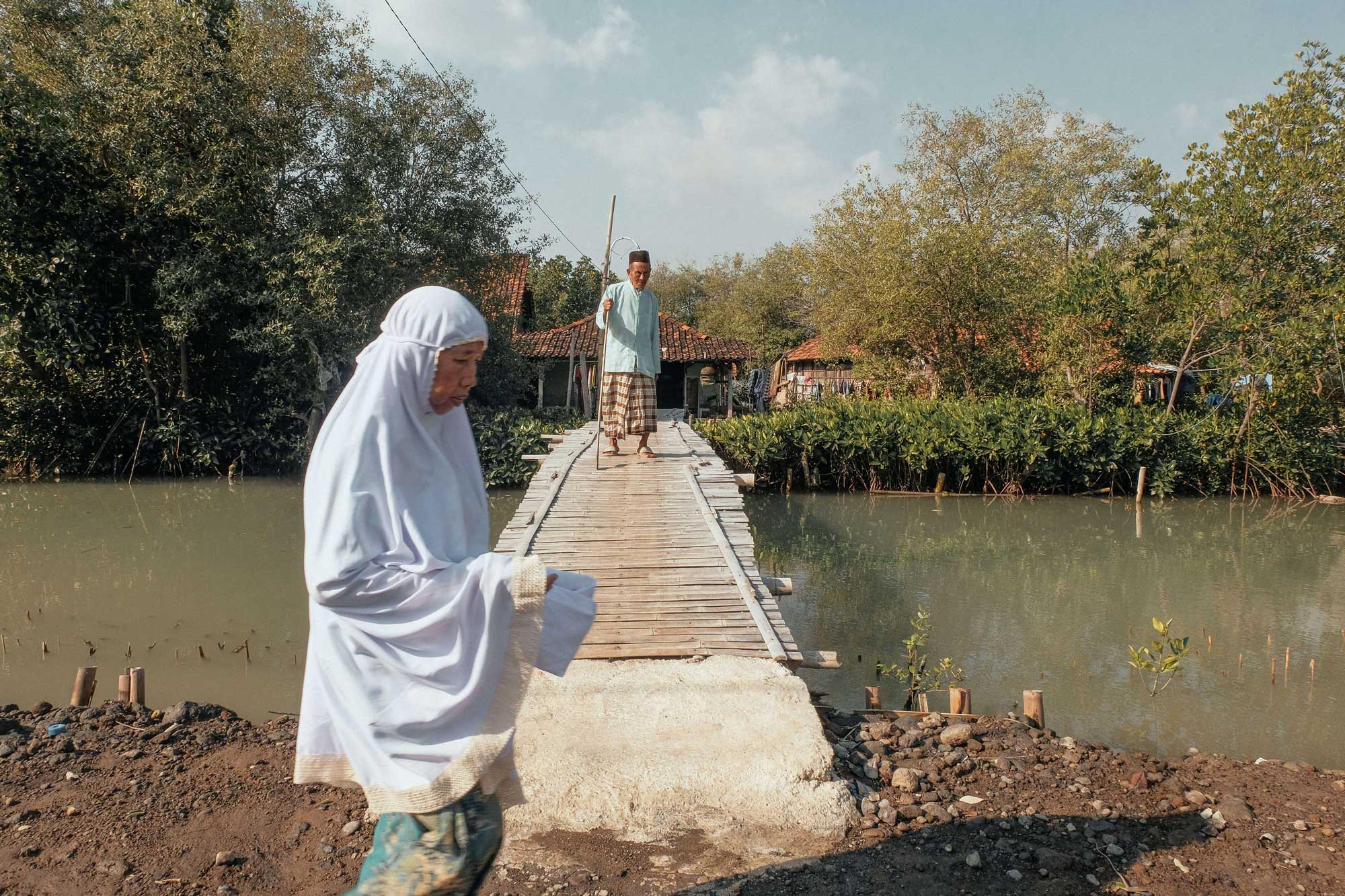
Vulnerable communities in fragile and conflict-affected states, Small Island Developing States, pastoralist areas, and rapidly growing cities face intensifying extreme weather events — including floods, extreme heat, and storms — but lack timely, trusted warnings to act before disaster strikes.
2
The Gap
Forecasts exist but consistently fail to reach, or be acted upon by, the communities most at risk across the Global South — including those in remote areas, conflict zones, and rapidly urbanising contexts. Three interlocking barriers drive this failure:
Lack of Access: At-risk communities, including areas with limited digital infrastructure, do not receive relevant, timely forecasts through the trusted channels and intermediaries they rely on. Last-mile delivery remains structurally underfunded and poorly integrated into national early warning systems.
Lack of Understanding: Even where warnings reach communities, they are rarely translated into local languages, communicated through channels that communities prefer, culturally appropriate formats, or contextualised to reflect local livelihood systems and hazard realities. This limits their practical usefulness for residents, and other vulnerable groups making time-sensitive decisions.
Lack of Trust: Information that is inconsistent, historically unreliable, or disconnected from community experience is not acted upon. Without sustained engagement between forecast providers, local institutions, and communities themselves, warnings fail to trigger the preparedness behaviours and collective action needed to reduce risk.
3
DARAJA’s Activities
- Co-designing inclusive early warning systems with meteorological agencies, local authorities, and communities
- Transforming forecasts using data analysis, responsible AI, and local communication networks
- Building institutional and community capacity to sustain systems over time
4
Our Model
Through DARAJA, responsible AI, and co-design methodologies, we transform forecasts into trusted early warning services — delivered through local communication channels, supported by strengthened meteorological agencies, local authorities, and community networks.
5
Immediate Outcomes
- Vulnerable residents receive timely, actionable warnings before extreme weather events
- Communities prepare and take early action before extreme weather hits
- Meteorological agencies and local authorities strengthen their climate communication systems
6
Long-Term Impact
Vulnerable communities across the Global South gain sustained access to trusted, inclusive early warning systems that enable early action, reduce loss and damage, and build long-term climate resilience. Through DARAJA, this is achieved through three mutually reinforcing outcomes:
Stronger Partnerships at Every Scale: DARAJA builds and strengthens city, national, and regional coalitions of governments, civil society, and meteorological institutions, creating the governance structures needed to anchor early warning systems beyond individual project cycles.
Weather and Climate Information That Works for Everyone: DARAJA co-produces inclusive weather and climate information services with and for the communities it serves. Thus improving access, understanding, and use across languages, livelihoods, and levels of digital connectivity.
Communities Empowered to Act: DARAJA equips residents most exposed to climate risk with the knowledge, tools, and institutional support to take early action, thereby avoiding or reducing loss and damage and building adaptive capacity that endures.
Ready to work together?
Partner with us to design and scale climate solutions that protect lives and strengthen resilience.